Username
Password
Forgot your Password?


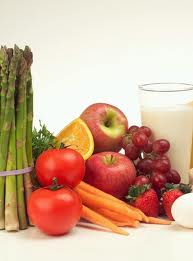
Nutrition is the key to good health. You can try many ways to keep yourself in good health, however, if you don’t pay attention to your eating habits and eating qualities, you are far from good health. Always remember: “You are what you eat”.
Here are some guidelines in regard to the different food groups we eat and their benefit on our bodies and well being.

Grains:
Any food made from wheat, rice, oats, cornmeal, barley or another cereal grain is a grain product. Bread, pasta, oatmeal, breakfast cereals, tortillas, and grits are examples of grain products.
Grains are divided into 2 subgroups, whole grains and refined grains.

Whole grains contain the entire grain kernel -- the bran and germs.
Examples include:

  • whole-wheat flour
  • bulgur (cracked wheat)
  • oatmeal
  • whole cornmeal
  • brown rice

Refined grains have been milled, a process that removes the bran and germ. This is done to give grains a finer texture and improve their shelf life, but it also removes dietary fiber, iron, and many B vitamins. Some examples of refined grain products are:

  • white flour
  • white bread
  • white rice

Most refined grains are enriched. This means certain B vitamins(thiamin, riboflavin, niacin, folic acid) and iron are added back after processing. Fiber is not added back to enriched grains.

There are many benefits of having grains as part of your daily diet:

  • Reducing the risk of coronary diseases.
  • Reducing constipation.
  • May help with weight management.
  • Helps prevent neural tube defects during fetal development, during pregnancy

Vegetables:
Dark green vegetables
broccoli
collard greens                                                  
dark green leafy lettuce
kale
mustard greens
romaine lettuce
spinach

turnip greens
watercress

Orange vegetables
butternut squash
carrots
pumpkin
sweet potatoes
Dry Beans and Peas
Black beans
Black- eyed peas
Chickpeas
Kidney beans lentils
soy beans
tofu (bean curd made from soybeans)
white beans

Starchy vegetables
corn
green peas
lima beans (green)
potatoes

Other vegetables

Artichokes
asparagus
beets
cabbage
cauliflower
celery
cucumbers
eggplant
green beans
green or red peppers
iceberg (head) lettuce
mushrooms
okra
onions
tomatoes
tomato juice
vegetable juice
wax beans
zucchini

Benefits of fruits and vegetables:

  • Eating fruits and vegetables rich in potassium may reduce the risk of developing kidney stones and may help to decrease bone loss.
  • May protect against certain cancers, such as mouth, stomach, and colon-rectum cancer.
  • May reduce risk for stroke and perhaps other cardiovascular diseases.
  • Reduce blood cholesterol levels and may lower risk of heart disease.
  • Regulate bowel movement. Fiber-containing foods such as vegetables help provide a feeling of fullness with fewer calories.
  • Folate (folic acid) helps the body form red blood cells. Women of childbearing age who may become pregnant and those in the first trimester of pregnancy should consume adequate folate, including folic acid from fortified foods or supplements. This reduces the risk of neural tube defects and anencephaly during fetal development.

Benefits of milk

  1. Rich source of calcium which may prevent osteoporosis.
  2. Rich source of potassium which helps in maintaining healthy blood pressure.

“Why is it important to make fat-free or low-fat choices from the milk group? Choosing foods from the milk group that are high in saturated fats and cholesterol can have health implications. Diets high in saturated fats raise “bad” cholesterol levels in the blood. The “bad” cholesterol is called LDL (low-density lipoprotein) cholesterol. High LDL cholesterol, in turn, increases the risk for coronary heart disease. Many cheeses, whole milk, and products made from them are high in saturated fat. To help keep blood cholesterol levels healthy, limit the amount of these foods you eat. In addition, a high intake of fats makes it difficult to avoid consuming more calories than are needed.” (Source: www.nutrition.gov).

Meat  

Meat section includes: meat, poultry, eggs, fish, shellfish and canned fish.
Selecting fish rich in omega-3 fatty acids, such as salmon, trout, and herring is always recommended.

  Benefits of meat:

  1. They include protein, B vitamins which help the body release energy, play a vital role in the function of the nervous system, aid in the formation of red blood cells, and help build tissues. Meat also contains vitamin E, iron, zinc, and magnesium.
  2. Proteins function as building blocks for bones, muscles, cartilage, skin, and blood. They are also building blocks for enzymes, hormones, and vitamins.
  3. Vitamin E which acts as an anti-oxidant that helps protect vitamin A and essential fatty acids from cell oxidation.

Note: foods which are high in cholesterol include egg yolks (egg whites are cholesterol-free) as well as organ meats such as liver and giblets.

In addition to the above oils, nuts and beans in addition to physical activity and exercise are very important parts of the daily life to maintain a good health.

Back